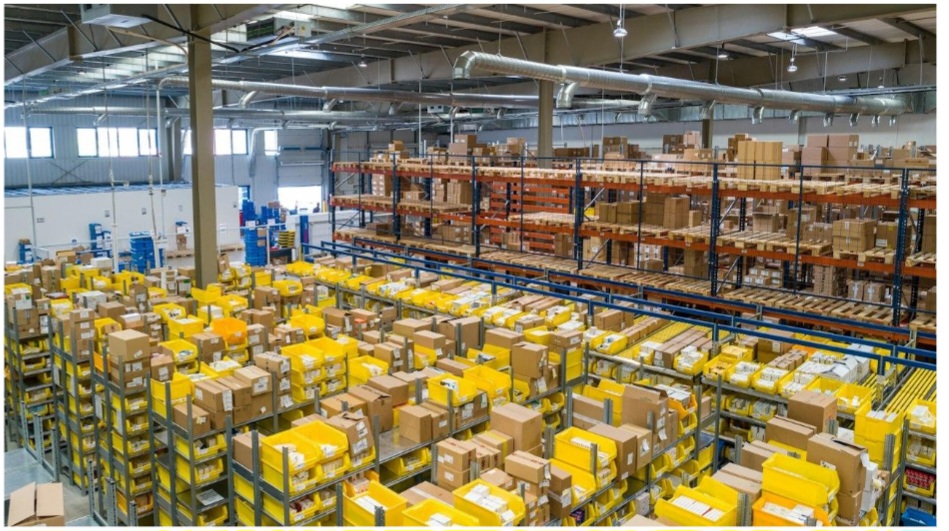
For a long time, a growing service business was expected to look heavier as it succeeded: more vans, more machines, more kit in a warehouse. That picture is changing. Many firms now try to stay asset-light, owning only what they use constantly and hiring or contracting the rest. The aim is not to look fashionable. It is to keep cash free, stay flexible when demand changes, and avoid becoming a storage business by accident.
This article explains what asset-light means in practice for service companies, when it works, when it does not, and what has to be organised well for the model to hold.
What Asset-Light Actually Means
Asset-light does not mean owning nothing. It means being deliberate about what sits on the balance sheet. A cleaning company might own the equipment its crews use every day and hire industrial machines for one-off contracts. An events firm might own a core lighting set and hire large LED walls or generators as needed. A contractor might own hand tools and hire access equipment by the week.
The test is utilisation and reversibility. If an asset will work most days and you can maintain it, ownership is often rational. If it will be used in bursts, or if the work might not repeat, hiring keeps the cost closer to the revenue.
This shift is part of a wider move towards more flexible operations in smaller firms, including the kind of process and technology changes described in Business Frontiers’ discussion of why digital transformation matters in SMEs. The common thread is making the business easier to adjust, rather than locking it into a fixed shape.
The Commercial Case
The advantages are straightforward.
Cash that is not tied up in a depreciating machine can fund people, marketing, stock or a reserve. That reserve is often what lets a firm take a good job instead of waiting for a loan. Flexibility is the second gain. If a service line disappoints, you are not left selling used equipment in a hurry. The third gain is access to newer or more specialised kit without a full replacement cycle.
There are trade-offs. Hired equipment can be scarce at peak times. Repeated short hires can cost more than ownership if use turns out to be steady. You also become more dependent on suppliers, which means their reliability becomes part of your customer promise.
The rental industry itself has professionalised around this demand. Associations such as the American Rental Association exist because hire is no longer a casual side activity; it is a supply chain that service businesses rely on. That only works if providers can say what is available, deliver it on time, and take it back in a predictable way.
What Has to Work Behind the Scenes
An asset-light model fails when the administration is sloppy. Someone has to know what is hired in, when it is due back, what it costs, and whether it was used for the job that was supposed to pay for it. Someone has to compare a hire quote with the true cost of owning the same item. If those tasks live in inboxes, the firm will either over-hire or panic-buy.
The same is true for companies that supply the hired assets. Their customers will only stay asset-light if the hire experience is easy to trust. That is where an equipment rental platform supports the model on the supply side: live availability, contracts, maintenance and invoicing in one place, so that a service firm can get a clear yes, a price and a machine that is ready to work.
On the customer side, even a simple register of hired-in items, return dates and job codes will prevent a surprising number of wasted days and uncharged costs. Put a named person against that register, even in a small team. An asset-light model with no owner is just a collection of last-minute phone calls, and those calls become expensive at the worst moments, usually when a customer is already waiting.
When Ownership Is Still the Right Call
Stay asset-light by habit, not by dogma. Own the tools of daily trade. Own items that are hard to hire quickly in your area. Own equipment that is closely tied to your quality or safety standard, if you cannot control those things on a hired machine. And if a hired item has been on almost continuous use for a year, run the numbers again. The model should follow the work.
Location matters too. In a dense city with many hire desks, staying light is easier. In a remote area, lead times may force you to own more than a spreadsheet would suggest, simply to protect delivery promises.
A Practical Way to Review Your Mix
Once or twice a year, list the equipment you own and the equipment you hired in. Against each item, note days of use, cost, and how hard it would be to replace at short notice. You will usually find a few owned machines that should be sold, and a few frequent hires that should be bought or leased. That review is the whole strategy, repeated.
Suppliers should do a similar review in reverse. If your customers are becoming more asset-light, they will ask for faster quotes, clearer availability and fewer surprises on the invoice. Firms that can offer that standard will win a larger share of their work. Firms that cannot will be used only when nobody else has the machine.
The service businesses that look “asset-light” from the outside are often just the ones that do this homework. They are not allergic to ownership. They are careful with cash, honest about utilisation, and organised enough to hire well when hiring is the better tool.
Service firms can also talk more clearly with their finance providers when they take this approach. A lender is often more comfortable with a business that can explain which assets it must own, which it will hire, and how that mix protects cash in a quieter month. Asset-light is not the same as under-equipped. It is a documented plan for how the work will be resourced.


